


Rob Grasso
|
|
More Like This
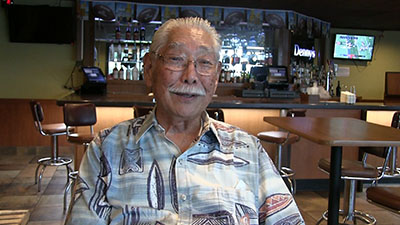
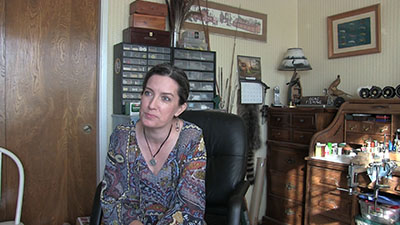
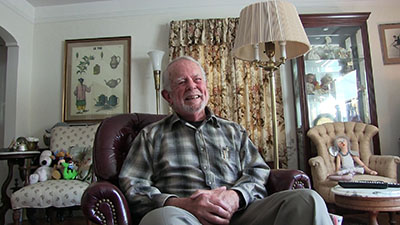
Preferred Citation
Rob Grasso, Angling Oral Histories, Montana State University (MSU) Library, Bozeman, MT, https://n2t.net/ark:/75788/m4ww7760h
Copyright Notice
Whenever possible, the Montana State University Library provides information about copyright in our digital collections records. We often do not own the rights in materials, and as such do not grant permissions for their use. Permissions and fees may be required from the individual copyright holder for uses beyond what is allowed based on U.S. Copyright Law (http://www.copyright.gov/fair-use/).
Please attempt to determine if an item is protected by copyright and follow any copyright or use restrictions when applicable. Written permission from the copyright holder is required for reproduction of protected items beyond what is allowed by fair use or other exemptions. These materials may be used for personal use, research, teaching (including distribution to classes), or any "fair use" as defined by U.S. copyright laws.
For more information please contact Archives and Special Collections at the Montana State University Library or Leila Sterman, Scholarly Communication Librarian.
Use of Artificial Intelligence & Tools
Montana State University Library allows the use of artificial intelligence (AI) technologies and tools with its digital collections for noncommercial educational, scholarly, and research purposes only.
Users are not permitted to use content for creating commercial products or proprietary services and should avoid actions that will disrupt the functionality, integrity, or accessibility of the content, such as altering metadata, reformatting digital files, or impeding access for other users.


For assistance, submit an accessibility request; we are committed to providing reasonable accommodations and timely access to users with disabilities.
- © Copyright 2026 Montana State University (MSU) Library